
Kailash Manasarovar Yatra from Kathmandu 2026
Kailash Manasarovar Yatra from Kathmandu 2026
14 Days

Overview
Kailash Manasarovar Yatra from Kathmandu 2026
The Kailash Manasarovar Yatra from Kathmandu 2026 is one of the most spiritually immersive and culturally enriching overland pilgrimages to Mount Kailash and Lake Manasarovar. Beginning in Nepal’s capital city, this 14-day journey combines sacred temple visits, gradual altitude acclimatization, and a complete Mount Kailash Parikrama experience.
Unlike shorter helicopter routes, the Kathmandu–Kyirong corridor allows pilgrims to transition steadily from lower elevations to the Tibetan plateau, supporting safer adaptation to high altitude. The route passes through Langtang National Park, the Nepal–China border at Rasuwa Gadhi, and onward to Kyirong before crossing the vast landscapes of Saga and the sacred Manasarovar region.
Why Start Your Kailash Manasarovar Yatra from Kathmandu?
Kathmandu is not just a logistical departure point; it is the spiritual threshold to one of the world’s most sacred pilgrimages. As the capital of Nepal, it sits at 1,400 meters, making it the ideal city to begin a high-altitude journey that will eventually reach over 5,600 meters at Dolma La Pass.
Starting your Kailash Manasarovar Yatra from Kathmandu offers several key advantages over other routes:
Gradual Altitude Gain: The Kathmandu–Kyirong corridor ascends progressively from 1,400 m to 2,700 m before crossing into Tibet, allowing the body to adapt naturally. This is significantly safer than flying directly to Lhasa or using rapid helicopter transfers.
Sacred Temple Circuit: Kathmandu houses Pashupatinath Temple — the most revered Shiva shrine outside India — along with Guhyeshwari Shakti Peeth and Budhanilkantha. Beginning your Yatra with these darshans creates a spiritually charged foundation before approaching Lord Shiva’s abode at Mount Kailash.
Visa and Permit Convenience: Chinese visas and Tibet Entry Permits are efficiently processed through Kathmandu, making it one of the most practical embarkation points for the Yatra.
Scenic Overland Beauty: The drive through Langtang National Park, along the Trishuli River, and through the Nepal–Tibet border at Rasuwa Gadhi is a journey within the journey — offering waterfalls, rhododendron forests, and Himalayan panoramas before you even enter Tibet.
Kailash Manasarovar Yatra from Kathmandu vs Other Kailash Yatra Routes — Which Is Right for You?
Choosing the right route for your Kailash Manasarovar Yatra significantly impacts your safety, comfort, and spiritual experience. Here is how the Kathmandu–Kyirong route compares:
Kathmandu Route (Kyirong Border) — 14 Days Best for pilgrims who want a complete overland experience with gradual acclimatization. Ideal for first-time high-altitude travelers, senior citizens (medically fit), and those seeking maximum spiritual immersion. The route covers Nepal, Kyirong, Saga, Manasarovar, and the full Kailash Parikrama. Duration: 14 days.
Helicopter Route — 7 to 8 Days Best for those with time constraints or mobility limitations. Faster but more abrupt altitude changes. Less time for spiritual absorption. Suited for those seeking darshan without the full Parikrama trek.
Lucknow / Nepalgunj Route — 15 to 17 Days Longer overland option beginning in North India. Adds the cultural richness of crossing through the Terai region into Nepal before entering Tibet. Suited for pilgrims traveling from North India who prefer not to fly to Kathmandu.
Road Route via Lhasa — 18 to 20 Days A classic Tibet overland journey passing through Shigatse and Lhasa with visits to Tashilhunpo Monastery and Gyantse. Best for those interested in deep Tibetan Buddhist culture alongside the Kailash pilgrimage.
Verdict: For most Indian pilgrims seeking a balance of spiritual depth, safety, scenic beauty, and manageable duration, the Kailash Manasarovar Yatra from Kathmandu 2026 via Kyirong remains the most recommended and popular choice.
Departure Dates
Fixed Departure dates for Kailash Manasarovar Yatra 13 Nights 14 Days
Kyirong Border In & Out.
04-May, 14-May, 25-May(Full Moon), 2-Jun, 13-Jun, 23-Jun(Full Moon), 03-Jul, 14-Jul, 23-Jul(Full Moon), 04-Aug, 14-Aug, 22-Aug(Full Moon), 02-Sep, 14-Sep.
Description of 14 Days Kailash Manasarovar Yatra from Kathmandu 2026
The 14 Days Kailash Manasarovar Yatra 2026 from Kathmandu via Kyirong is thoughtfully designed for pilgrims who seek a gradual, scenic, and spiritually immersive overland journey into Tibet. Beginning in Kathmandu at 1,400 meters, the route ascends steadily through Nepal’s lush valleys and Himalayan foothills before opening into the vast Tibetan plateau. This natural progression makes the Kailash Manasarovar tour from Kathmandu one of the most balanced and acclimatization-friendly options, especially for first-time high-altitude travelers.
As the journey moves from Kathmandu to Syabrubesi, across Rasuwa Gadhi, and onward to Kyirong, pilgrims experience a visible transformation in landscape—from green mountain terrain to expansive highland desert. The overland rhythm allows time for physical adjustment and spiritual preparation. Dedicated acclimatization in Kyirong strengthens readiness for higher elevations ahead, ensuring that by the time pilgrims approach Saga and Manasarovar, they are both physically stable and mentally centered.
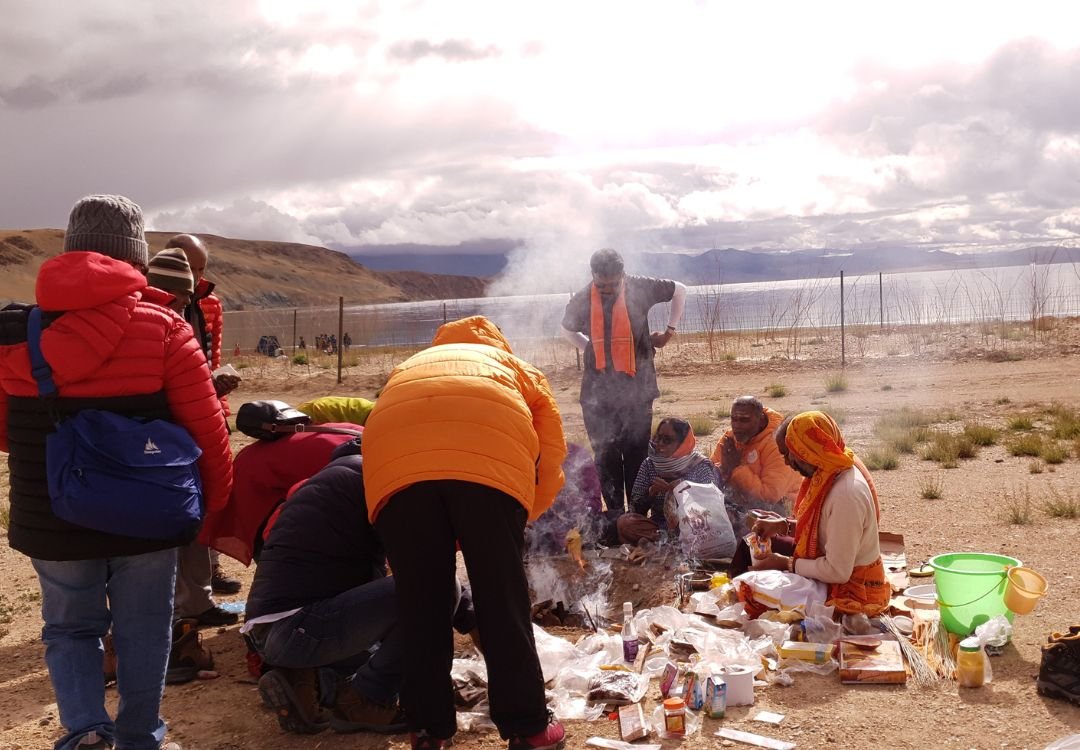
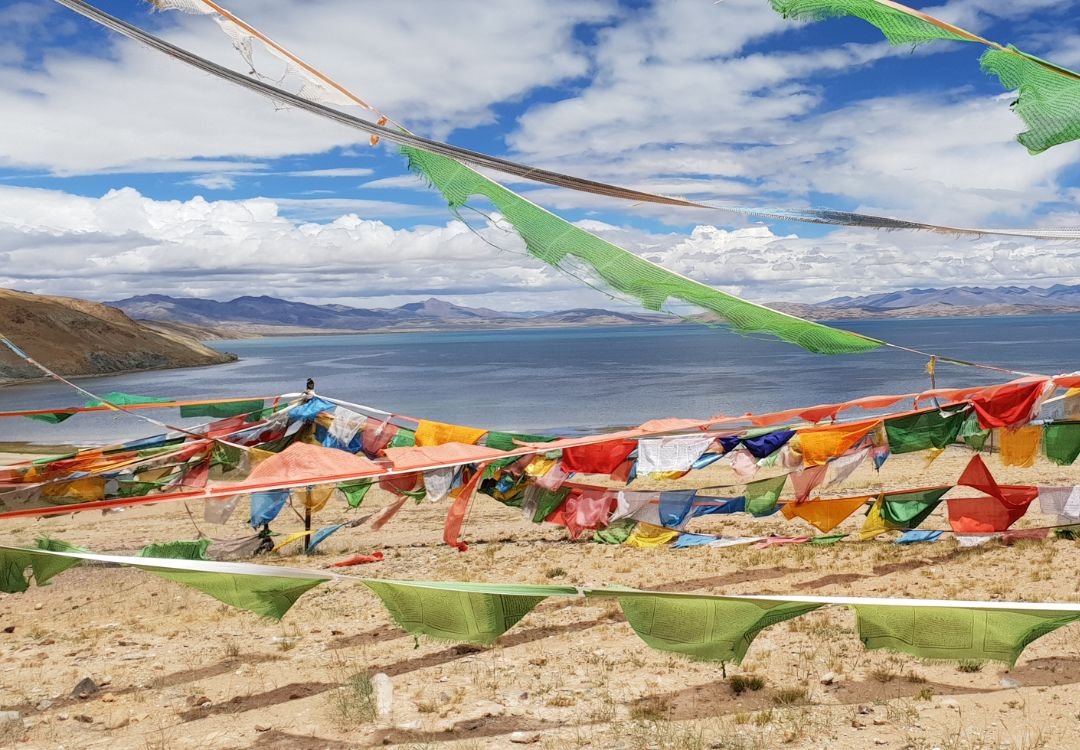
Reaching Lake Manasarovar is often described as the emotional peak of the pilgrimage. The serene turquoise waters set against the sacred presence of Mount Kailash create an atmosphere of profound stillness and devotion. Pilgrims perform puja, havan, meditation, and ritual bathing along the lakeshore before continuing to Darchen—the gateway to the sacred Parikrama. This carefully structured segment of the Kailash Manasarovar tour package from Kathmandu provides meaningful time for spiritual grounding before the physically demanding trek begins.
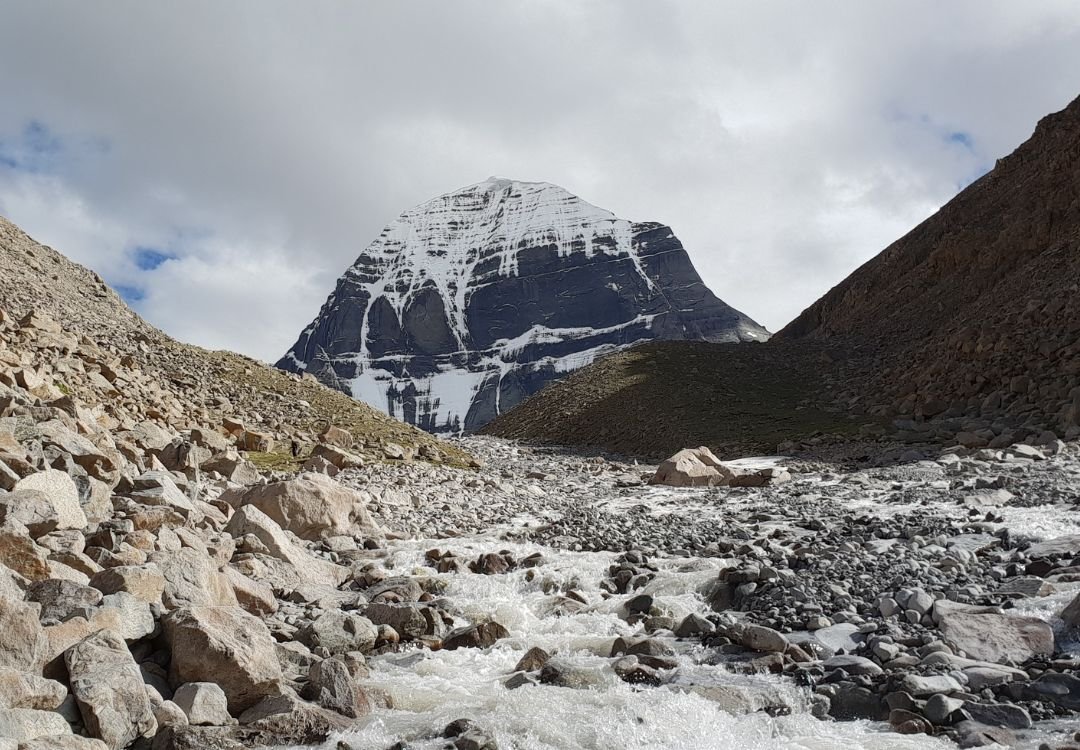
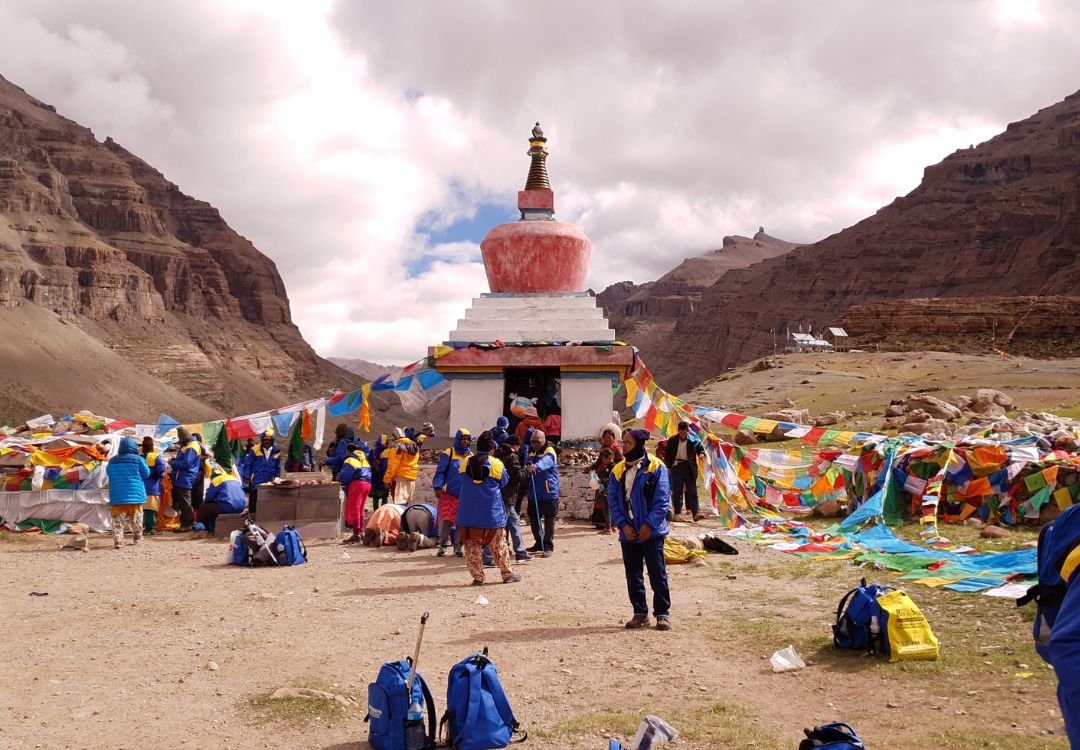
The three-day Kailash Parikrama is the defining spiritual core of the journey. Walking from Yamadwar to Diraphuk brings pilgrims face-to-face with the majestic North Face of Mount Kailash, a moment many describe as transformative. The ascent across Dolma La Pass (5,620 meters) is both challenging and deeply symbolic, representing release, renewal, and surrender. The descent toward Gaurikund and onward to Zuthulphuk offers quieter terrain where reflection and inner contemplation naturally arise, making the Kyirong in/out route spiritually profound and complete.
As the Parikrama concludes and the group returns through Saga and Kyirong toward Kathmandu, the landscapes that once felt vast and unfamiliar begin to feel meaningful and connected. The final days provide space to integrate the experience, reflect on personal transformation, and reconnect with fellow pilgrims. Completing the Kailash Manasarovar Yatra from Kathmandu 2026 via Kyirong is often described as life-changing—an achievement that harmonizes devotion, endurance, and spiritual awakening. Throughout the journey, the Divine Kailash team ensures organized logistics, safety oversight, and compassionate guidance, allowing every pilgrim to experience the sacred essence of Kailash in its truest and most powerful form.
Altitude & Acclimatization on the Kailash Manasarovar Yatra from Kathmandu
Altitude is the most important factor to understand before embarking on the Kailash Manasarovar Yatra. Here is a stage-by-stage altitude breakdown for the Kathmandu–Kyirong route:
- Kathmandu: 1,400 m
- Syabrubesi / Timure: 1,500–2,000 m
- Kyirong: 2,700 m (Acclimatization Day)
- Saga / Paryang: 4,500 m
- Lake Manasarovar: 4,500 m
- Darchen: 4,700 m
- Diraphuk: 5,000 m
- Dolma La Pass: 5,620 m (Highest point)
- Zuthulphuk: 4,790 m
Acclimatization Tips:
- Drink 3–4 liters of water daily from Day 3 onwards
- Avoid alcohol and smoking throughout the journey
- Walk slowly; never rush at altitude
- Take Diamox (125–250 mg) as prescribed by your doctor
- Inform your guide immediately of any headache, nausea, or breathlessness
- The acclimatization day in Kyirong is mandatory and should not be skipped
Signs of Altitude Sickness to Watch For: Persistent headache, loss of appetite, vomiting, confusion, or difficulty breathing are warning signs requiring immediate attention. The Divine Kailash team carries oxygen cylinders and a medical first aid kit throughout the journey.
Best Time to Do Kailash Yatra from Kathmandu 2026
The Kailash Manasarovar Yatra season runs from May to September, when the Himalayan passes and Tibet routes are accessible. The Kyirong border remains operational during this period, allowing safe overland passage.
May: Early season — cool temperatures, lower crowds. An excellent time for those who prefer a quieter pilgrimage. Snow may still be present near the pass.
June: Ideal month — roads are fully operational, weather is stable, and the landscapes are lush and vibrant. One of the most popular months.
July – August: Peak season — coincides with the auspicious Guru Purnima and Shravan month. Full Moon departures are especially sacred. Expect larger groups; early booking is essential.
September: Late season — weather is settling, crowds thin out, and the Tibetan sky is remarkably clear. A beautiful time for photography and spiritual reflection.
Full Moon Dates (2026) — Most Auspicious Departures: May 25, June 23, July 23, August 22
Pilgrims are strongly advised to book 60–90 days in advance, as Tibet Permits and Chinese visas require processing time and are subject to government availability.
Photo Gallery
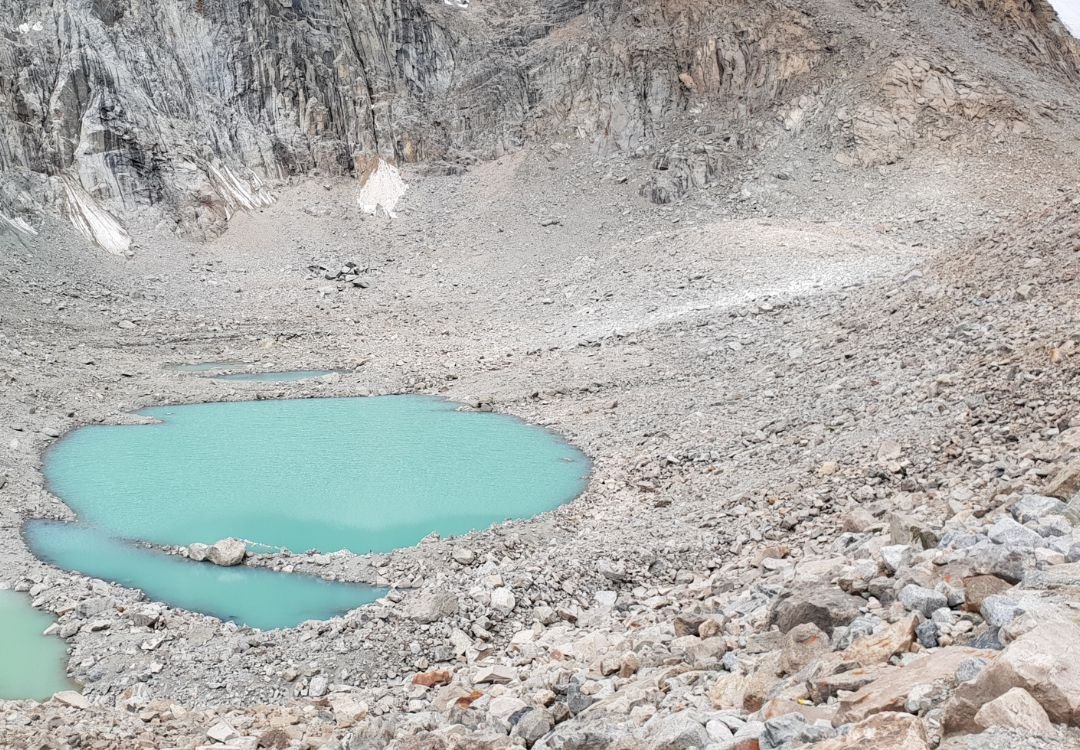
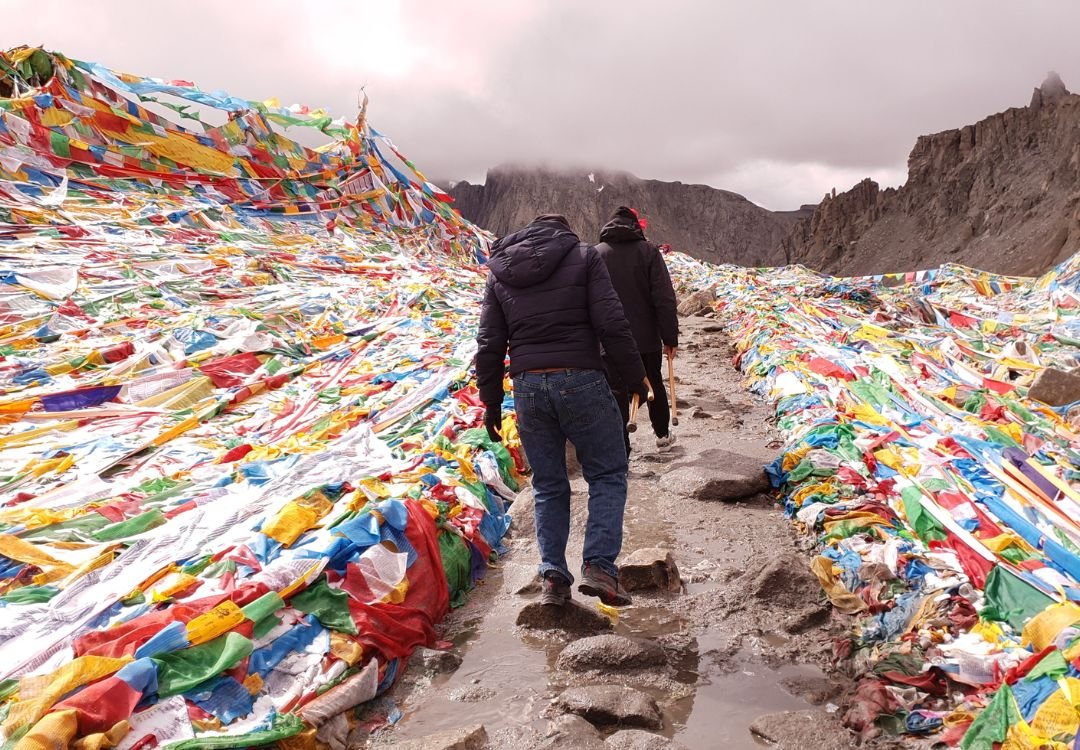
Highlights of the 14 Days Kailash Manasarovar Yatra from Kathmandu
-
Gradual altitude gain from Kathmandu via the Kyirong route for smooth acclimatization.
-
Sacred temple visits in Kathmandu, including Pashupatinath and Guhyeshwari Shakti Peeth.
-
Scenic overland drive through Langtang, Kyirong, Saga, and the Tibetan plateau.
-
First divine darshan of Lake Manasarovar and Mount Kailash at Horchu.
-
Holy dip, puja, and meditation at sacred Manasarovar Lake.
-
Complete three-day Mount Kailash Parikrama with North Face darshan.
-
Spiritual crossing of Dolma La Pass (5,620 m), the highest point of the Yatra.
-
Reflective descent via Gaurikund to Zuthulphuk.
-
Comfortable stays and fresh vegetarian meals throughout the journey.
-
Experienced guides, structured logistics, and full safety support.
Itinerary
Kailash Manasarovar Yatra by Road Itinerary
Accommodation: Hotel | Meals: Dinner
Your sacred journey begins with arrival at Tribhuvan International Airport in Kathmandu. Our team will welcome you and transfer you comfortably to your hotel. Kathmandu, surrounded by green hills and steeped in ancient Hindu and Buddhist heritage, serves as the spiritual gateway to Kailash.
After check-in, you may relax and recover from travel. In the evening, enjoy a welcome dinner and informal interaction with fellow pilgrims. The calm atmosphere of Kathmandu allows you to mentally prepare for the transformative journey ahead.
Highlights:
-
Airport pickup and hotel transfer
-
Welcome dinner and introduction
-
Rest and travel recovery
-
Overnight stay in Kathmandu
Accommodation: Hotel | Meals: Breakfast, Lunch, Dinner
Today is devoted to spiritual initiation before entering Tibet. Begin with darshan at the sacred Pashupatinath Temple, one of the most revered Shiva temples in the world. Continue to Budhanilkantha (Jal Narayan), where Lord Vishnu rests in a reclining form, and visit Guhyeshwari Shakti Peeth, symbolizing divine feminine energy.
These temple visits spiritually align pilgrims with Lord Shiva before approaching Mount Kailash. Later, attend the official Yatra briefing covering route details, health precautions, high-altitude awareness, packing guidance, and border procedures.
Highlights:
-
Pashupatinath Temple darshan
-
Visit to Budhanilkantha & Guhyeshwari
-
Official Yatra orientation
-
Documentation verification
-
Final preparation review
Distance: 165 km / 6–7 hrs | Accommodation: Mountain Lodge | Meals: B/L/D
After breakfast, begin the scenic overland drive toward the Nepal–China border. The route winds through Langtang National Park, featuring lush forests, waterfalls, terraced hillsides, and the flowing Trishuli River.
This gradual ascent from 1,400 m to 2,000 m allows your body to slowly adapt to higher elevation. The drive itself is a beautiful transition from urban Kathmandu into the serenity of the Himalayan foothills.
Highlights:
-
Drive through Langtang National Park
-
River valleys and mountain views
-
Gradual altitude gain
-
Overnight stay in mountain lodge
Distance: 24 km / 1 hr | Accommodation: Hotel | Meals: B/L/D
After breakfast, walk to Rasuwa Gadhi for exit formalities from Nepal and complete immigration procedures into Tibet. Once cleared, cross into China and drive to Kyirong, a peaceful Tibetan town surrounded by dramatic hills and valleys.
Kyirong offers a comfortable environment to begin adapting to Tibetan altitude. The air becomes noticeably thinner, and the pace of movement slows naturally.
Highlights:
-
Border immigration process
-
Entry into Tibet
-
Scenic drive to Kyirong
-
Rest and acclimatization
Accommodation: Hotel | Meals: B/L/D
A full rest day is essential for safe altitude adaptation. Pilgrims may take short, slow walks around town or visit Kyirong Monastery. The purpose of this day is to allow your body to adjust before ascending to higher elevations above 4,000 meters.
Hydration, light movement, and proper rest are strongly encouraged. This acclimatization significantly reduces altitude-related discomfort later in the journey.
Highlights:
-
Dedicated acclimatization day
-
Visit Kyirong Monastery
-
Light exploratory walks
-
Health monitoring
Distance: 169 km / 4–5 hrs | Accommodation: Hotel | Meals: B/L/D
Today you enter the vast Tibetan plateau. The scenery changes dramatically into expansive high-altitude plains with distant snow-capped peaks. En route, witness the mighty Brahmaputra River (Yarlung Tsangpo) and wide desert-like landscapes.
Saga sits at around 4,500 meters and marks your transition into serious high-altitude territory. The air is thinner, and movements should remain slow and steady.
Highlights:
-
Dramatic Tibetan plateau landscapes
-
Brahmaputra River views
-
High-altitude desert scenery
-
Overnight in Saga
Distance: 466 km / 8–9 hrs | Accommodation: Guesthouse | Meals: B/L/D
A spiritually powerful day. As you approach Horchu, pilgrims witness the first breathtaking glimpse of Mount Kailash and the sacred waters of Lake Manasarovar. The turquoise lake against the vast sky creates an indescribable emotional experience.
Complete the Manasarovar parikrama by vehicle and stop near Rakshas Tal for photos and reflection. The stillness of the lake fosters deep devotion and gratitude.
Highlights:
-
First divine darshan of Mount Kailash
-
Arrival at Lake Manasarovar
-
Vehicle lake parikrama
-
Rakshas Tal viewpoint
-
Overnight near the lake
Distance: 40 km / 1 hr | Accommodation: Hotel | Meals: B/L/D
Wake early for sacred rituals at Lake Manasarovar. Pilgrims perform holy dip (weather permitting), havan, mantra chanting, and meditation. Many consider this moment the emotional high point of the pilgrimage.
After lunch, drive to Darchen, the base camp town for the Kailash Parikrama. Rest well and prepare physically for the trek.
Highlights:
-
Holy dip and havan ceremony
-
Meditation by Manasarovar
-
Drive to Darchen
-
Trek preparation briefing
Distance: 7 km drive + 12 km trek | Accommodation: Guesthouse | Meals: B/L/D
Drive to Yamadwar, the official starting point of the Parikrama. Begin the 12 km trek along a gentle valley trail. The majestic North Face of Mount Kailash gradually comes into view, creating a profound spiritual moment.
Diraphuk offers the closest and most powerful darshan of the North Face.
Highlights:
-
Parikrama begins
-
12 km moderate trek
-
North Face darshan
-
Overnight at Diraphuk
Distance: 22 km / 9–10 hrs | Accommodation: Guesthouse | Meals: B/L/D
The most challenging day. Begin early to cross Dolma La Pass at 5,620 meters — the highest point of the Yatra. The ascent is steep and requires steady breathing and slow pacing.
After crossing the pass, descend toward the sacred Gaurikund and continue to Zuthulphuk. This day symbolizes purification and spiritual rebirth.
Highlights:
-
Dolma La Pass crossing
-
Highest altitude point
-
Gaurikund sighting
-
Long descent to Zuthulphuk
Complete the final stretch of Parikrama and return by vehicle to Saga. The sense of accomplishment and emotional fulfillment is profound.
Highlights:
-
Parikrama completion
-
Scenic return drive
-
Reflection and rest
Descend gradually toward Kyirong. The lower altitude provides physical relief and comfort after days above 4,500 meters.
Highlights:
-
Plateau descent
-
Relaxed evening
-
Comfortable hotel stay
Cross the border back into Nepal and continue to Kathmandu. The familiar greenery feels welcoming after the Tibetan highlands.
Highlights:
-
Exit Tibet & immigration
-
Scenic drive
-
Leisure evening in Kathmandu
After breakfast, receive your Kailash Yatra completion certificate. Transfer to airport for departure with lifelong spiritual memories.
Highlights:
-
Yatra completion certificate
-
Airport transfer
-
End of Kailash Manasarovar Yatra from Kathmandu 2026
Inclusion & Exclusion
Inclusions of the Kailash Manasarovar Yatra from Kathmandu
- 3 nights of accommodation in Kathmandu (3 Star, 4 Star, or 5 Star based on your package choice).
- Mountain Lodge in Timure / Sybrunensi.
- 3 Star or attached bathroom deluxe hotel at Kyirong, Saga and Darchen.
- Guest House on dormitory sharing in Manasarovar, Derapuk and Zuthulphuk.
- Pure veg Indian meal (Tea, coffee/ breakfast/ lunch / dinner) in Nepal Hotel.
- Indian vegetarian meal by our own kitchen & cooking team in Tibet (Tea, coffee, Breakfast, lunch & dinner).
- Everyday morning and evening we provide hot (boiled) drinking water/2 bottles of mineral water.
- Kathmandu sightseeing in a private vehicle.
- Kathmandu – Timure (border) – Kathmandu by private vehicle.
- All travel inside Tibet in a private vehicle (as per the itinerary).
- Pilgrimage’s bags border transportation cost.
- Visa, Tibet Entry permit, & all local taxes, Kailash & Manasarovar Lake parikrama entry fee.
- English and Hindi speaking Nepalese guide.
- English speaking Chinese guide.
- Nepali Sherpa for help.
- Toilet Tent, Toilet chair and shower tent in Manasarovar.
- Medical first aid kit with oxygen cylinder.
- Routine health check-up by trip leader.
- Warm down jacket (returnable).
- Duffle bag, day pack, warm cap and Rudraksha Mala (complimentary gift).
- Airport pickup & drop.
Exclusions of the Kailash Manasarovar Yatra from Kathmandu
- Personal horse-riding expenses, personal use of porter, rescue ambulance during Kailash Parikrama(circumambulation).
- Travel insurance, rescue and emergency evacuations service, medical and hospital expenses (in case you become sick on the way).
- Extra Night accommodation in Kathmandu /Timure/Kyirong/saga other places due to bad weather or any other reason is chargeable.
- Vehicle, additional sightseeing, or extra usage of vehicle, other than mentioned in the itinerary.
- If any cost arising due to natural calamities like, landslides, road blockage, political disturbances (strikes), fight cancelation etc (to be borne by the client, which is directly payable on the spot).
- If returning earlier from Kailash Yatra, group visa splitting charge for each person RMB 200 & extra transportation cost each person USD 500* per day.
- Beverage/drinks and additional tips.
- Additional Holy place transportation fees, Astapath, or Tirthapuri.
- Arrival day breakfast / lunch, departure day lunch and dinner not included in package.
- Nepal Visa fee (if needed).
Process, Terms, and Conditions, General Info for Kailash Manasarovar Yatra from Kathmandu
Process, Terms, and Conditions, General Info for Kailash Manasarovar Yatra from Kathmandu
Terms and Conditions
- Necessary to send colour scan copy of passport, passport size photograph 40 days before the departure for permits processing.
- We need 6-month valid ordinary passport; diplomat passport is not acceptable.
- Indian pilgrims must send their original passport to our Delhi office by courier (Blue Dart) at least 15 days before departure for the China visa process.
- PAN card scan copy is required for Indian citizens only.
- Voter ID is mandatory for those traveling by flight to Kathmandu.
- A deposit of INR 35,000 + Taxes per person must be made as an advance.
- Full payment must be cleared before start of the tour.
Cancellation Policy
- The minimum cancellation charge is INR.10, 000.
- After processing the Kailash Permit INR. 20, 000 will be charged as cancellation.
- After visa process the cancellation charge will be INR. 35, 000.
- No refund if tour get started.
Travels Notice
- If suddenly program has changed due to weather problem, natural disaster, landslide, technical problem and political movement, Chinese reason, all additional expenses should be paid by the customers.
General Information
- Insurance: Medical Insurance is not compulsory for visa processing, but it will useful if in case any health problem arises during travel.
- Oxygen cylinder: Our Company will provide oxygen cylinder in emergency. However, you can carry your own handy oxygen cylinders (you can buy small portable cylinders in Tibet. It costs approx. Yuan 20-30 per cylinder).
- Food during tour: our cooks will be traveling with you during the entire trip. Our Staff will carry all necessary cooking items and will provide Indian vegetarian food during the Yatra.
- Money exchange: Others currency (except USD $) is not accepted in China but is acceptable in Nepal. Pilgrims should exchange your Currency to Chinese Currency in Kathmandu/Nepal.
- Temperature (May to September): 4 – 15 Degree Celsius day time. Minus 1 to minus 5 at Nighttime.
Items to bring for Kailash Manasarovar Yatra
- Wind Proof Jacket, Towel, Washing Kit, Warm Thick Pullover, Raincoat.
- 4-Pants, Hat/Cap, 4-Cotton Full Sleeve Shirt, 2 Pairs of Thermals.
- 2-Long/Vest /Warm Full T-Shirts, 1 Pair Trekking Shoes, 1 Rubber Sandal.
- 5-Warm Woolen Shocks, Warm Gloves, Water Bottle (1 Ltr. Capacity).
- Sun Glass, Flashlight with Extra Batteries, Sunscreen Lotion UV50+, Lip guard, Moisturizer Cream.
- Pocketknife/Sewing Kit/Button/Cigarette Lighter/Dust Masks.
- Should carry dry food Items to make your journey more comfortable.
- Carry regular medicines, Diamox 250 mg 20 tablets and personal first aid kit.
FAQ
FAQs of Kailash Manasarovar Yatra from Kathmandu
The Kathmandu–Kyirong route is ideal for pilgrims who prefer gradual altitude gain and a complete overland spiritual experience. Starting at 1,400 meters in Kathmandu and ascending steadily through Kyirong and Saga allows better acclimatization compared to faster helicopter routes. This makes the journey safer, more comfortable, and spiritually immersive, especially for first-time high-altitude travelers.
The three-day Mount Kailash Parikrama is physically demanding but achievable with steady pacing and preparation. The most challenging section is crossing Dolma La Pass at 5,620 meters, which requires endurance and mental focus due to high altitude. However, no technical trekking skills are required, and pony/porter services are available for assistance. Proper acclimatization days built into the itinerary significantly improve safety and comfort.
Yes, provided they are medically fit. The gradual ascent and dedicated acclimatization day in Kyirong make this route more altitude-friendly compared to rapid helicopter transfers. Seniors should undergo a medical check-up before travel and may choose to skip the Parikrama if necessary while still completing darshan at Lake Manasarovar and Darchen.
Pilgrims stay in comfortable hotels in Kathmandu, Kyirong, Saga, and Darchen, while simpler guesthouses are provided during Parikrama and at Manasarovar due to the remote terrain. All meals are vegetarian and freshly prepared, focusing on warm, easily digestible foods suitable for high-altitude conditions, including rice, lentils, vegetables, soups, and tea.
A valid passport (minimum six months validity), passport-sized photographs, and a medical fitness certificate are mandatory. Chinese visa and Tibet travel permits are arranged as part of the organized package, but approval is subject to governmental regulations. Timely document submission is essential to ensure smooth processing before departure.
Pony and porter services are available during the Parikrama for those who cannot trek the entire route. However, the final ascent to Dolma La Pass is not accessible by pony, and a short section requires walking. Medical fitness is still recommended.
The Manasarovar Parikrama (lake circumambulation) is done by vehicle and takes a few hours. The Kailash Parikrama is a 3-day on-foot circumambulation of Mount Kailash covering approximately 52 km, passing through Diraphuk, Dolma La, and Zuthulphuk.
Indian SIM cards do not work in Tibet. Chinese SIM or local Tibetan network cards are available in Kyirong and Saga. Internet connectivity is very limited on the route; pilgrims should inform families in advance about communication blackout periods.
Customer Reviews
GOODTrustindex verifies that the original source of the review is Google. We are five Bangalore residents who travelled to Muktinath, Pokhara, and Kathmandu with Divine Kailash in December 2022. It was a road trip from Gorakhpur, and everything went perfectly, with excellent service, hotels, food, and all arrangements. The best part is the Nepali support contact; one phone call and all your problems are resolved. Special thanks to both drivers, who are very experienced, and especially to the Nepali driver who drove us to Muktinath.Posted onTrustindex verifies that the original source of the review is Google. Went with divine kailash, Bangalore, to muktinath, pokhara and kathmandu. The period was from 10th October to 16th October, 2022 and pick up and drop was from gorakhpur. The trip was excellently organised at minimum cost. The hotels were very good. Overall it was an excellent trip with excellent arrangements by divine kailash.Posted onTrustindex verifies that the original source of the review is Google. HI, We, a family of 5, (4 Senior citizens,) booked a tour from chennai to gorakpur,mukthinath, pasupathinath,pokhra, kathmandu, janakpur,gorakhpur, ayodhya, naimisharanya. The entire tour was tailormade and organised by Divine Kailash. Mr. Akshay from Bangalore office chalked out our itinary as per our demands. He is a very cordial, helpful person. Till we returned back to chennai, he was constantly enquiring about our well being and catering to our every requests. We are grateful to him for his support throughout. REG. our trip: From Gorakhpur they booked an Innova for us. The driver Mr.Manish was a superb , dynamic and skilled person. Mr.Manish guided us in such a way, to cover all the places in our package. Had a leisurely darshan in all the temples.The hotels booked for us were very clean and classy. Our Package included Breakfast and dinner which were served on time and service wise and quality wise was very delicious. .Ours was a 12day tour and a a very memorable one. Gorakhpur - Gorakhnath Temple - Gorakhpur to Lumbini - by Road - covered Lumbini, Buddhas Birthplace, Monastries of varoius countries Lumbini to Bhairahawa - visited Gajendra Moksha sthala Bhairahawa to Pokhra - by road and stay in Pokhra Pokhra to Jomsom - by flight Jomsom to Mukthinath - by Jeep till mukthinath Base and then we trekked to the temple,. We took almost 1 hour as we took rest in between. As it was slightly sunny, we took bath in Icecold 108 springs, and two Kunds and stayed till 4pm. Very very peaceful darshan of Mukthinath. On our return stayed in Jomsom for the night and flew back to Pokhra the next morning Pokhra sight seeing like gupteshwar Mahadev, Davis Falls, Phewa Lake and Taal barahi Temple Pokhra to Kathmandu - by Road - very Scenic route crossing many mountains and rivers below. We skipped Manakamna Devi Temple as there was very very lengthy queues . Instead we covered Chandragiri hills by cable car and enjoyed the view of kathmandu valley, and beautiful snow clad Himalayas. The entrance fee is fair and the place is well maintained. In Kathmandu visited the great Pasupathinath Temple, Guhyeshari Temple - Shakthi Peeth, Jal Narayan, Doleshwar Mahadev one of the Panch Kedar, Bhakthapur Durbar Square fully,, Changu Narayan Temple From Kathmandu to Janakpur by Road again a very scenic route and skillful drive by Mr.Manish, visited Janaki Mata temple- Sita Marhi, Birthplace of Mata Sita devi Janakpur to Gorakhpur to Ayuodhya- visited Ayodhya temple Drive to Naimisharanya stay for night. Naimisharanya temple and Ghats visit and proceded to Lucknow airport to board flight to chennai. Cons: If a guide was provided at Bhakthapur Durbar Square, it would have been better. We suggest Divine Kailash to arrange for dropping and pickup of the tourists nearer to the Temples like many other tourist buses and cabs. Reg. Hotels: Gorakhpur : Hotel 10th Park Street - a very very classy hotel, a very clean and prompt service and great food Bhairahawa: Hotel Redson -- OK but not great -- have to wait for hours to get ur food. Pokhra - Kuti Resort 2. an annexe of Kutti Resort...Food and beverages was served inMain Kuti Resort - for which we had to shuttle everytime which could hav been avoided. Naimisharanya - Viswanath Palace- Which should be avoided and not a worthy place to stay Except for these minor issues, our entire trip was well organised and executed. We thank Mr. Akash, Mr. Manish and Mr. Nitesh of Nepal for making this happen.
MAP
No map available.
Price Details
230, 000